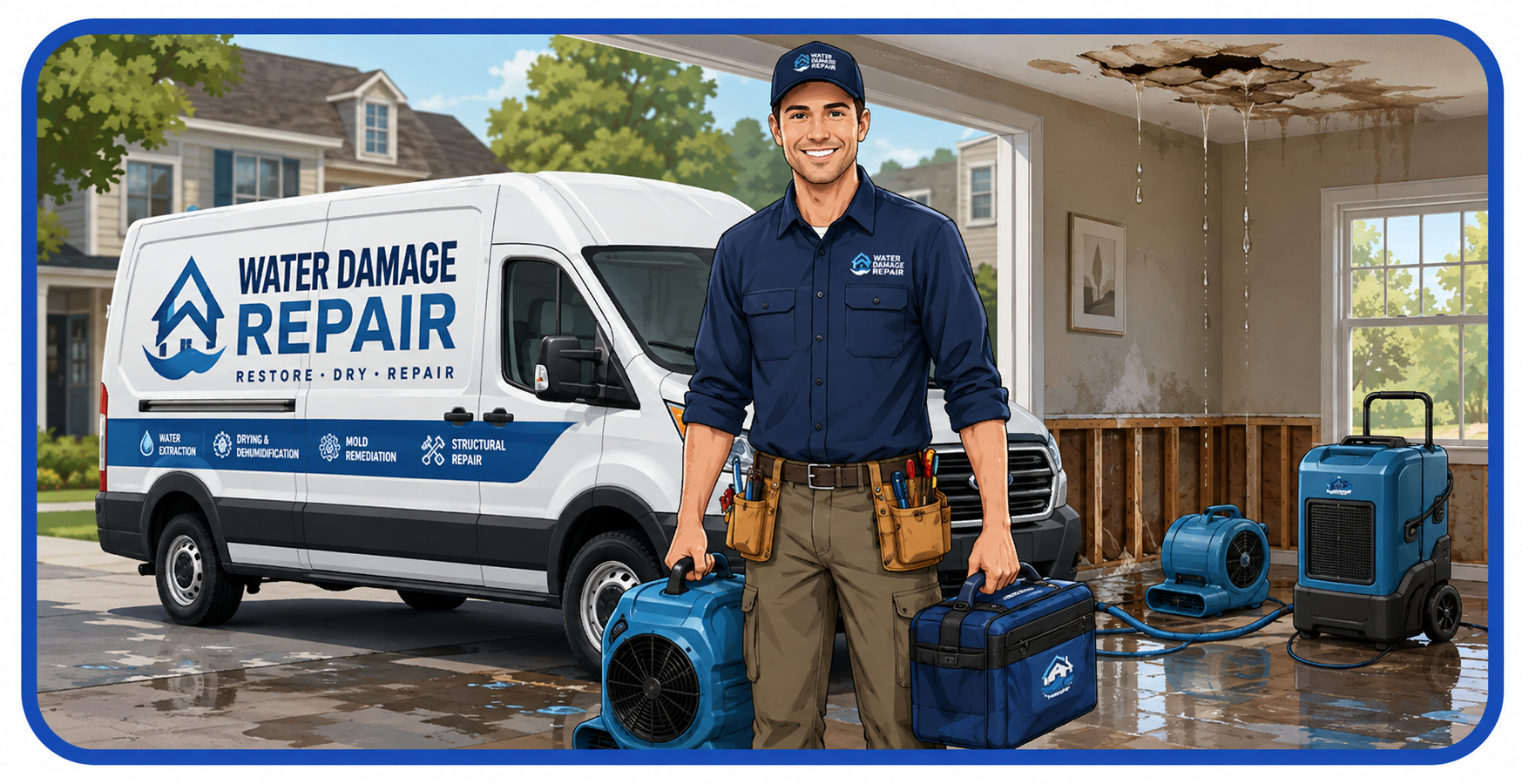
Aqua Guard Water Damage built its Indiana, IN footprint one metro at a time, which means the technician who answers your call actually knows the drainage patterns, building codes, and humidity swings specific to your part of the state.
Call +1-844-234-5373 Now
We built our Indiana, IN operation the same way we build every market: hire licensed local techs first, then stock their trucks with commercial extraction and drying equipment before they ever answer a call.
Local pricing matters, and our Indiana, IN estimators quote based on regional material and labor costs instead of a flat number that ignores where in the state the job actually is.
We invest in ongoing training as drying standards and equipment evolve, rather than treating a technician's initial certification as the finish line.

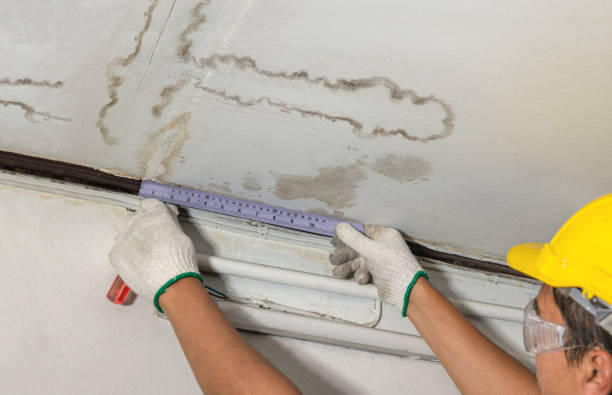
Ceiling stains near a bathroom or kitchen almost always trace back to a plumbing failure rather than a roof leak, which means the source is often closer and easier to fix than homeowners assume.
If opening windows and running a fan doesn't clear the smell within a day, the moisture source is still active and needs professional extraction, not just ventilation. A smell that returns after cleaning is a strong sign the moisture is still present.
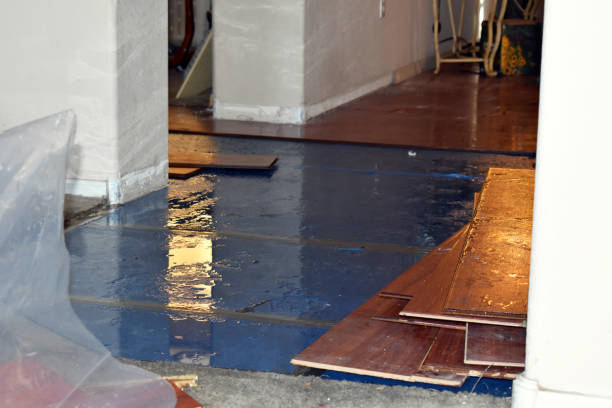
Carpet that stays damp or squishy days after you last noticed water is holding moisture against the subfloor, which is exactly the condition that lets mold take hold underneath.
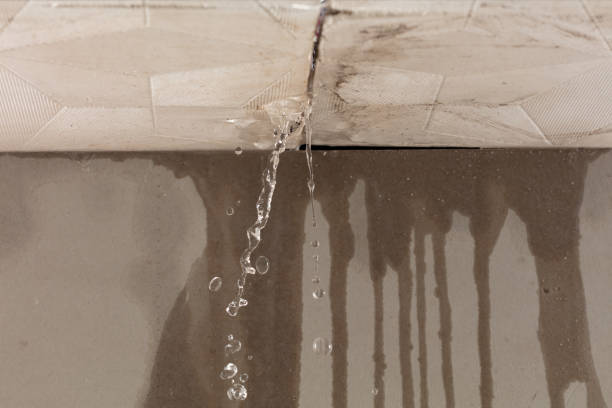
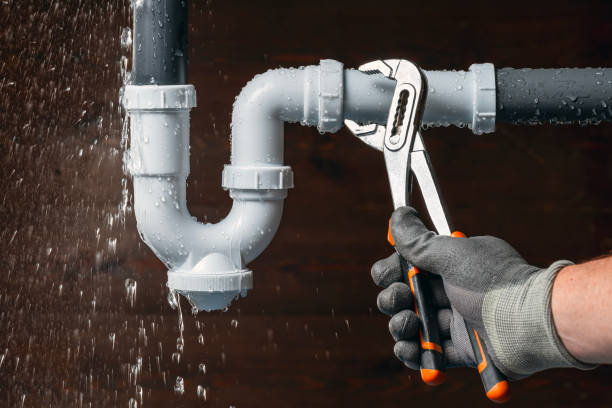
An unexplained jump in your water bill is frequently the first sign of a slab leak or a failing supply line long before any visible water appears. Catching it at this stage is far cheaper than waiting for a visible flood.
Paint that bubbles or peels away from a wall, especially near baseboards, usually means moisture is pushing through from behind rather than a simple application problem.
Mold that returns after cleaning with bleach is a sign the underlying moisture source was never addressed, since surface cleaning does nothing for saturated material behind the wall.
We treat Water Extraction as one continuous job rather than a series of handoffs — the crew that extracts the water is accountable for the drying results, and the drying results determine what reconstruction is actually needed.
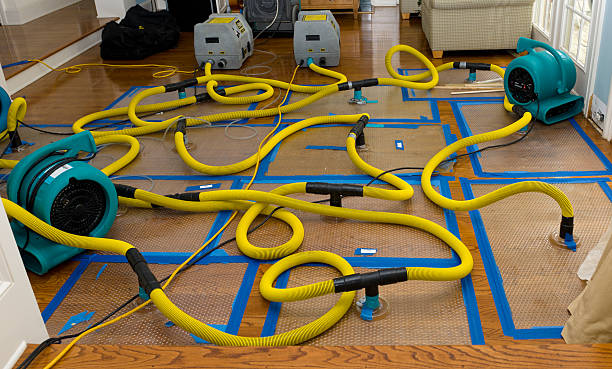
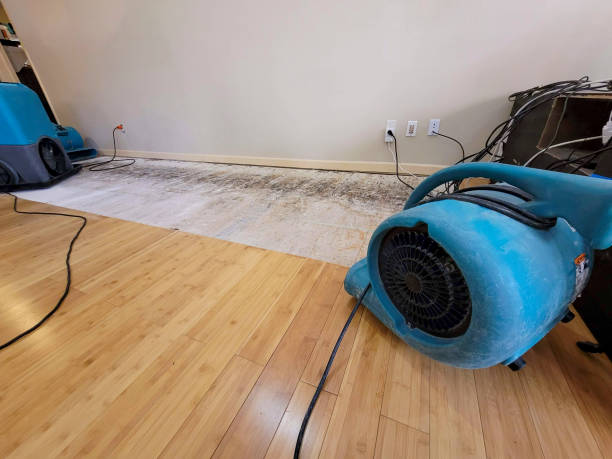
Our crews arrive with truck-mount extraction units capable of pulling thousands of gallons per hour, using moisture meters to classify the water as Category 1, 2, or 3 before drying even starts.
Equipment placement isn't guesswork; it's calculated from psychrometric readings taken at the start of the job and adjusted daily as conditions change.
Our sewage cleanup protocol follows IICRC S500 contamination standards, isolating the affected area, removing unsalvageable materials, and disinfecting every surface that had contact with blackwater.
Because mold can establish in as little as 48 hours, our drying timeline is built around beating that window rather than treating mold prevention as an afterthought.
We handle everything from replacing water-damaged drywall and insulation to refinishing floors, so the property is restored to pre-loss condition under one contract instead of three.
Specialized cleaning techniques can often save upholstery, electronics, and documents that look like a total loss at first glance, which keeps out-of-pocket replacement costs down.


A real person answers, gathers the details of your water loss, and routes the closest available crew immediately.
We document the loss with photos and moisture readings before touching anything, which also protects your insurance claim.
Extraction and drying run as one continuous process rather than two separate visits, which keeps the timeline tighter.
We re-test every affected area before calling a job complete, then coordinate repairs so you're not left with an open punch list.
Every technician carries IICRC certification and our crews are fully insured for your protection on every job.
Local staging means shorter drive times, which matters most in the first hour after a water loss.
Flat-rate pricing means the number we quote is the number you pay, regardless of how long the drying cycle takes.
If a drying target isn't met on the first pass, we extend equipment placement at no extra charge until moisture readings confirm the structure is dry.
If our moisture readings don't hit a safe drying standard on schedule, we keep equipment on site at no additional cost until they do — that's the standard we hold ourselves to.
That same standard applies whether it's a single flooded bathroom or a full commercial loss — the sign-off criteria don't change based on job size.
Call +1-844-234-5373From the largest metro in Indiana, IN down to smaller surrounding communities, coverage is built around actual call volume rather than a single flagship city.
Statewide coverage means a homeowner two hours from our nearest office still gets a response time measured in tens of minutes, not hours.

"A pipe burst behind our water heater and the crew here in Indiana, IN had extraction units running within 40 minutes of my call. They walked me through the moisture readings every day until it was fully dry."
James R., Indiana, IN"They caught mold starting behind our drywall before it spread and contained it properly instead of just painting over the problem like a previous contractor did."
Denise M., Indiana, IN"Professional from the first phone call to the final walkthrough. They re-tested moisture levels before closing the job instead of just eyeballing it."
Marcus T., Indiana, IN"The reconstruction crew matched our original flooring almost perfectly after the water damage repair — you'd never know there was a leak."
Priya S., Indiana, IN"Drying logs were shared with us daily so we always knew exactly where the job stood, not just a vague 'it's drying' update."
Carlos V., Indiana, IN"Our commercial unit flooded overnight and they had industrial equipment running before our staff arrived for the morning shift."
Angela F., Indiana, IN"A cracked supply line under the kitchen sink went unnoticed for days and by the time we called, the subfloor was saturated. The crew pulled the damaged material and had drying equipment running within the hour."
Tyrone B., Indiana, IN"Storm runoff got into our crawl space and the smell alone told us something was wrong. The crew found the vapor barrier had failed and fixed the actual cause, not just the symptom."
Wendy K., Indiana, IN